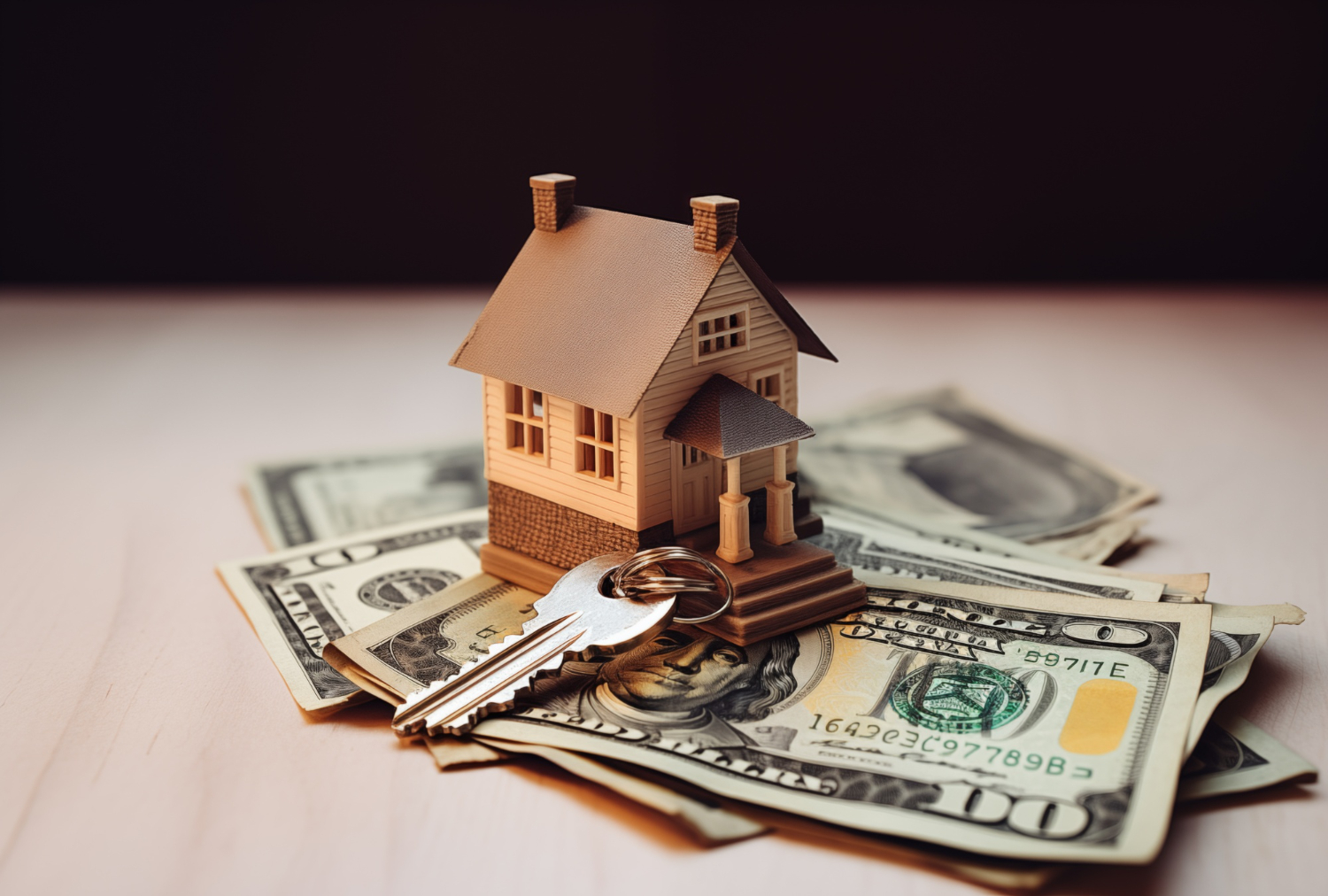
One of the most significant decisions individuals and families face when it comes to housing is whether to rent or buy a home. Both options come with their own set of advantages and considerations, and making the right choice depends on various personal and financial factors. Let’s explore the pros and cons of each to help you make an informed decision.
Renting a Home
Advantages:
- Flexibility: Renting offers more flexibility in terms of mobility. If you anticipate moving frequently due to work or personal reasons, renting allows you to do so without the hassle of selling a property.
- Lower Upfront Costs: Renting typically requires a smaller initial financial commitment compared to buying. There are no down payments or closing costs, making it more accessible in the short term.
- Maintenance Responsibility: Most maintenance and repair responsibilities fall on the landlord, freeing renters from unexpected expenses and laborious upkeep tasks.
Considerations:
- Limited Control: Renters have limited control over the property. Changes and renovations often require landlord approval, limiting personalization options.
- No Equity Buildup: Rent payments do not contribute to ownership equity. This means renters miss out on potential property value appreciation and the opportunity to build wealth through homeownership.
- Rent Increases: Rent prices can rise over time, subjecting renters to potential increases that could affect budgeting and financial stability.
Buying a Home
Advantages:
- Ownership and Equity: Buying a home allows you to build equity over time as you pay down your mortgage. Property ownership can also potentially provide financial stability and long-term investment growth.
- Personalization: Homeowners have the freedom to modify and personalize their living space without seeking permission from a landlord, making it easier to create a home that fits their lifestyle.
- Stable Payments: Fixed-rate mortgages offer predictability with stable monthly payments, protecting homeowners from rising rental costs.
Considerations:
- Financial Commitment: Buying a home requires a significant upfront investment, including a down payment, closing costs, and ongoing expenses like property taxes and maintenance.
- Market Risks: Property values can fluctuate, affecting the resale value of your home. Economic factors and local market conditions can impact the overall investment return.
- Less Flexibility: Selling a home can be time-consuming and expensive, especially in a down market. Homeowners may face challenges if they need to relocate quickly.
Making the Decision
Deciding whether to rent or buy depends on your financial situation, lifestyle preferences, and long-term goals. If you value flexibility, lower initial costs, and minimal maintenance responsibilities, renting may be the better choice. On the other hand, if you seek stability, equity buildup, and the freedom to personalize your living space, buying a home could align more with your objectives.
It’s crucial to weigh the pros and cons carefully, considering factors such as your financial readiness, career plans, housing market conditions, and personal preferences. Ultimately, the decision should reflect your current circumstances and future aspirations.
Whether you choose to rent or buy, both options offer unique advantages that can contribute to your overall financial well-being and lifestyle satisfaction. Evaluate your priorities, seek professional advice if needed, and make a decision that aligns with your goals for the present and the future.
In conclusion, the choice between renting and buying boils down to what best fits your financial situation, lifestyle preferences, and long-term plans. Both options have their merits, and the right decision is the one that aligns with your personal and financial goals.